


Understanding the Functions of Industrial Valves

Industrial valves play a critical role in controlling the flow of liquids, gases, and slurries in various industrial processes. Their primary purpose is to regulate, direct, or control the flow by opening, closing, or partially obstructing passageways. In this post, I will explain the key functions of these valves, their types, and practical considerations for their use in industries such as petrochemical, chemical, engineering, and water treatment.
Functions of Industrial Valves
Valves serve several essential functions in industrial systems. Understanding these functions helps in selecting the right valve for a specific application. Here are the main functions:
Flow Control: Valves regulate the flow rate of fluids. They can increase, decrease, or maintain a steady flow depending on process requirements.
Shut-off: Valves can completely stop the flow when needed. This is crucial for maintenance, safety, or emergency situations.
Pressure Regulation: Some valves maintain or reduce pressure within a system to prevent damage or ensure optimal operation.
Flow Direction: Valves can direct the flow of fluids along different paths, enabling system flexibility.
Mixing and Diverting: Certain valves allow mixing of two fluid streams or diverting flow from one pipeline to another.
Safety: Safety valves release excess pressure to avoid system failure or accidents.
Each function requires specific valve designs and materials to handle the operating conditions such as temperature, pressure, and fluid type.
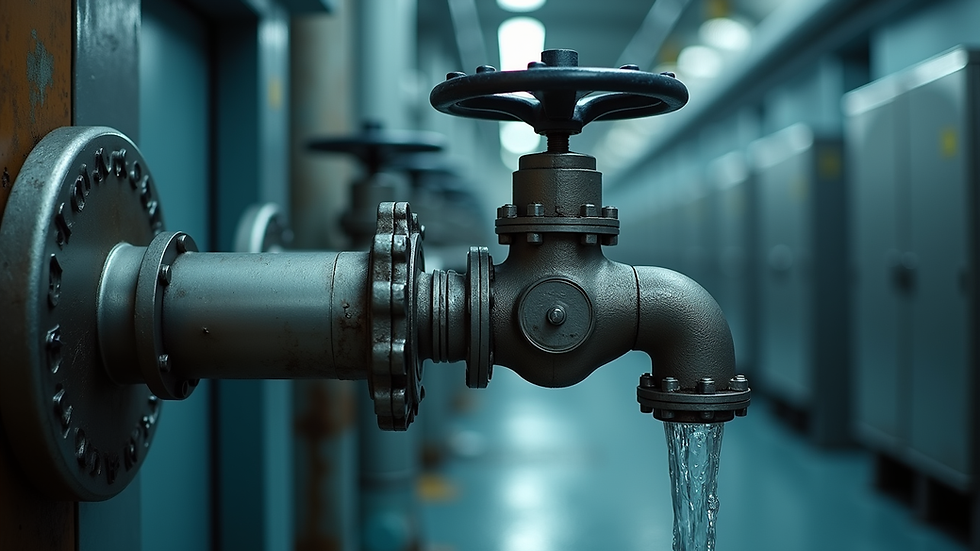
Close-up view of an industrial valve controlling fluid flow in a pipeline
What are the 7 types of valves?
There are many types of valves, but seven are most commonly used in industrial applications. Each type has unique characteristics suited for particular functions:
Gate Valve
Used for on/off control.
Provides a straight-line flow with minimal pressure drop.
Not suitable for throttling.
Common in water, oil, and gas pipelines.
Globe Valve
Designed for throttling and flow regulation.
Has a spherical body shape.
Provides good shut-off capabilities.
Used in systems requiring precise flow control.
Ball Valve
Uses a spherical ball with a hole to control flow.
Quick to open and close.
Provides tight sealing.
Suitable for high-pressure and high-temperature applications.
Butterfly Valve
Uses a rotating disc to regulate flow.
Compact and lightweight.
Suitable for large pipe diameters.
Often used in water treatment and HVAC systems.
Check Valve
Allows flow in one direction only.
Prevents backflow.
Operates automatically without manual intervention.
Common in pump discharge lines.
Plug Valve
Uses a cylindrical or conical plug to control flow.
Simple design and easy to operate.
Suitable for quick shut-off.
Used in chemical and petrochemical industries.
Diaphragm Valve
Uses a flexible diaphragm to control flow.
Ideal for corrosive or abrasive fluids.
Provides leak-tight sealing.
Common in pharmaceutical and food industries.
Each valve type is selected based on the specific requirements of the process, including flow characteristics, pressure, temperature, and fluid properties.
Key Considerations When Selecting Valves
Choosing the right valve involves evaluating several factors to ensure safety, efficiency, and longevity:
Material Compatibility
The valve material must resist corrosion, erosion, and chemical attack from the fluid. Common materials include stainless steel, brass, cast iron, and specialized alloys.
Pressure and Temperature Ratings
Valves must withstand the maximum operating pressure and temperature of the system without failure.
Flow Characteristics
Consider whether the valve will be used for on/off control, throttling, or flow direction.
Size and Connection Type
Proper sizing ensures efficient flow control. Connection types include flanged, threaded, welded, or socket.
Actuation Method
Valves can be manually operated or automated using electric, pneumatic, or hydraulic actuators.
Maintenance and Accessibility
Valves should be easy to maintain and replace if necessary. Accessibility in the pipeline layout is important.
Standards and Certifications
Compliance with industry standards (e.g., ANSI, API, ISO) ensures quality and safety.
Common Applications of Industrial Valves
Valves are used across many industries. Here are some typical applications:
Petrochemical Industry
Valves control the flow of crude oil, natural gas, and refined products. They must handle high pressures and corrosive fluids.
Chemical Processing
Valves regulate the flow of reactive and hazardous chemicals. Material selection is critical to prevent leaks and contamination.
Water Treatment
Valves manage water flow, pressure, and treatment chemicals. Butterfly and gate valves are common here.
Power Generation
Valves control steam, cooling water, and fuel flow in power plants. Reliability and safety are paramount.
OEM Manufacturing
Valves are integrated into machinery and equipment for precise flow control.

Eye-level view of an industrial valve installed in a chemical processing plant
Maintaining Valve Performance
Proper maintenance extends valve life and ensures reliable operation. Key maintenance practices include:
Regular Inspection
Check for leaks, corrosion, and wear. Inspect seals and packing.
Lubrication
Apply appropriate lubricants to moving parts to reduce friction.
Cleaning
Remove deposits and debris that can obstruct valve operation.
Testing
Perform pressure and leak tests periodically.
Replacement of Worn Parts
Replace seals, seats, and other components as needed.
Documentation
Keep maintenance records to track valve history and performance.
Following these steps helps avoid unexpected failures and costly downtime.
Enhancing System Efficiency with Valves
Valves contribute to system efficiency by:
Minimizing pressure loss through proper valve selection.
Allowing precise flow control to optimize process conditions.
Enabling quick shut-off to prevent damage during emergencies.
Facilitating system flexibility with flow direction and mixing capabilities.
Selecting and maintaining the right valves improves overall process reliability and safety.
For those looking to source reliable industrial valves, it is important to work with suppliers who offer a wide range of products and technical support. This ensures the valves meet the specific needs of your application and comply with industry standards.


Comments