


Unlock Expert Insights with Everyvalve Industrial Valve Blog

Industrial valves are critical components in many sectors, including petrochemicals, chemicals, engineering, water treatment, and OEM manufacturing. Understanding their function, selection, and maintenance is essential for efficient operations. This blog post provides clear, practical information to help you make informed decisions about industrial valves.
Understanding Industrial Valve Types and Their Applications
Industrial valves come in various types, each designed for specific functions and environments. Knowing the differences helps in selecting the right valve for your needs.
Gate Valves: Used for on/off control. Suitable for systems requiring minimal pressure drop.
Globe Valves: Ideal for regulating flow. They offer precise throttling capabilities.
Ball Valves: Provide quick shutoff. Common in applications requiring tight sealing.
Butterfly Valves: Lightweight and compact. Used in large pipe diameters.
Check Valves: Prevent backflow. Essential for protecting pumps and compressors.
Pressure Relief Valves: Protect systems from overpressure by releasing excess pressure.
Each valve type has specific materials and design features to withstand different pressures, temperatures, and chemical exposures. For example, stainless steel valves are preferred in corrosive environments, while cast iron valves are common in water systems.
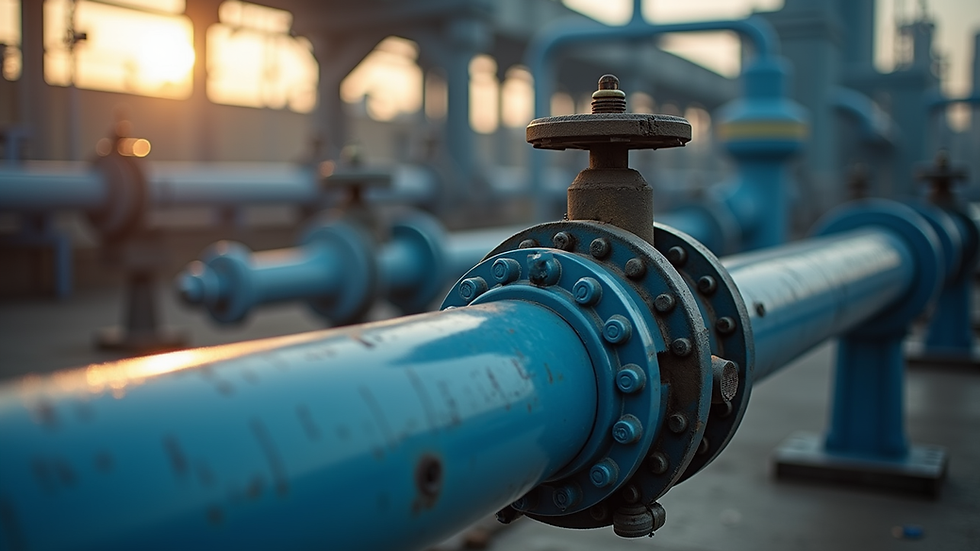
Industrial Valve Blog: Maintenance and Troubleshooting Tips
Proper maintenance extends valve life and ensures system reliability. Here are key maintenance practices:
Regular Inspection: Check for leaks, corrosion, and wear.
Lubrication: Apply appropriate lubricants to moving parts.
Cleaning: Remove debris and deposits that can impair valve function.
Seal Replacement: Replace worn seals to prevent leaks.
Operational Testing: Cycle valves periodically to avoid sticking.
Troubleshooting common valve issues:
Leakage: Often caused by damaged seals or improper installation.
Sticking or Hard Operation: May result from corrosion or lack of lubrication.
Noise and Vibration: Could indicate cavitation or flow turbulence.
Implementing a scheduled maintenance program reduces downtime and repair costs. Use manufacturer guidelines and industry standards as references.
Selecting the Right Valve for Your Industrial Process
Choosing the correct valve depends on several factors:
Fluid Type: Consider corrosiveness, viscosity, and particulate content.
Pressure and Temperature: Ensure valve materials and design can handle operating conditions.
Flow Requirements: Determine if the valve needs to regulate, shut off, or prevent backflow.
Installation Environment: Account for space constraints and accessibility.
Compliance and Standards: Verify valves meet industry certifications and safety regulations.
For example, in a chemical plant handling aggressive fluids, valves made from high-grade alloys or lined with resistant materials are necessary. In water treatment, cost-effective valves with corrosion resistance are preferred.
Consulting technical datasheets and expert advice helps in making the right choice. Additionally, consider the total cost of ownership, including maintenance and replacement parts.

Leveraging Everyvalve All Posts for Industry Knowledge
Staying updated with the latest trends, technologies, and best practices is vital. The everyvalve all posts resource offers a comprehensive collection of articles covering valve technology, industry news, and practical guides.
Using this resource, you can:
Access expert insights on valve selection and maintenance.
Learn about new product developments and innovations.
Understand regulatory changes affecting valve applications.
Find case studies and real-world examples from various industries.
Regularly reviewing such content supports informed decision-making and operational excellence.
Best Practices for Valve Installation and Safety
Correct installation is crucial for valve performance and safety. Follow these guidelines:
Pre-Installation Checks: Verify valve specifications and inspect for damage.
Proper Orientation: Install valves according to flow direction markings.
Use Correct Tools: Avoid damage by using manufacturer-recommended tools.
Torque Specifications: Tighten bolts and fittings to specified torque values.
Support and Alignment: Ensure piping and valves are properly supported to prevent stress.
Safety Precautions: Follow lockout/tagout procedures during installation and maintenance.
Improper installation can lead to leaks, premature failure, and safety hazards. Training personnel and adhering to standards minimizes risks.
Enhancing Operational Efficiency with Valve Automation
Automation improves control and reduces manual intervention. Consider these automation options:
Electric Actuators: Provide precise control and remote operation.
Pneumatic Actuators: Suitable for fast response and hazardous environments.
Positioners and Sensors: Enable feedback and integration with control systems.
Automated valves increase process reliability and safety. Evaluate the cost-benefit ratio and compatibility with existing systems before implementation.
This industrial valve blog aims to provide clear, actionable information to support your valve-related decisions. For ongoing updates and expert content, explore the everyvalve all posts regularly.


Comments