


Industrial Valve Troubleshooting: Innovative Industrial Valve Solutions

Industrial valves are critical components in many sectors such as petrochemicals, chemicals, engineering, water treatment, and OEM manufacturing. Their proper function ensures safety, efficiency, and reliability in fluid control systems. Over time, valves may experience issues that require troubleshooting and innovative solutions to maintain optimal performance.
Common Industrial Valve Troubleshooting Issues
Understanding typical valve problems helps in diagnosing and fixing issues quickly. Here are some common problems encountered in industrial valves:
Leakage: Internal or external leaks can occur due to worn seals, damaged seats, or improper installation.
Sticking or Seizing: Valves may become difficult to operate because of corrosion, debris buildup, or lack of lubrication.
Pressure Drop: Excessive pressure loss across the valve can indicate blockage, improper valve sizing, or damaged internals.
Noise and Vibration: Cavitation or turbulent flow can cause noise and vibration, potentially damaging the valve and connected piping.
Actuator Failure: Pneumatic, hydraulic, or electric actuators may malfunction due to electrical faults, air supply issues, or mechanical wear.
Each issue requires a specific approach for diagnosis and repair. Regular inspection and maintenance reduce downtime and extend valve life.
Effective Troubleshooting Techniques for Industrial Valves
To troubleshoot valves effectively, follow these steps:
Visual Inspection
Check for obvious signs of damage, corrosion, or leaks. Inspect seals, gaskets, and valve bodies.
Operational Testing
Cycle the valve through its full range to detect sticking or unusual resistance.
Pressure and Flow Measurement
Use gauges and flow meters to identify abnormal pressure drops or flow restrictions.
Leak Testing
Perform bubble tests or use ultrasonic detectors to locate leaks.
Actuator Diagnostics
Verify power supply, control signals, and mechanical linkages for actuator-driven valves.
Material Analysis
Examine valve materials for corrosion or erosion, especially in aggressive chemical environments.
Documentation Review
Check installation records, maintenance logs, and manufacturer guidelines for clues.
By systematically applying these techniques, you can pinpoint valve issues and decide on repair or replacement.
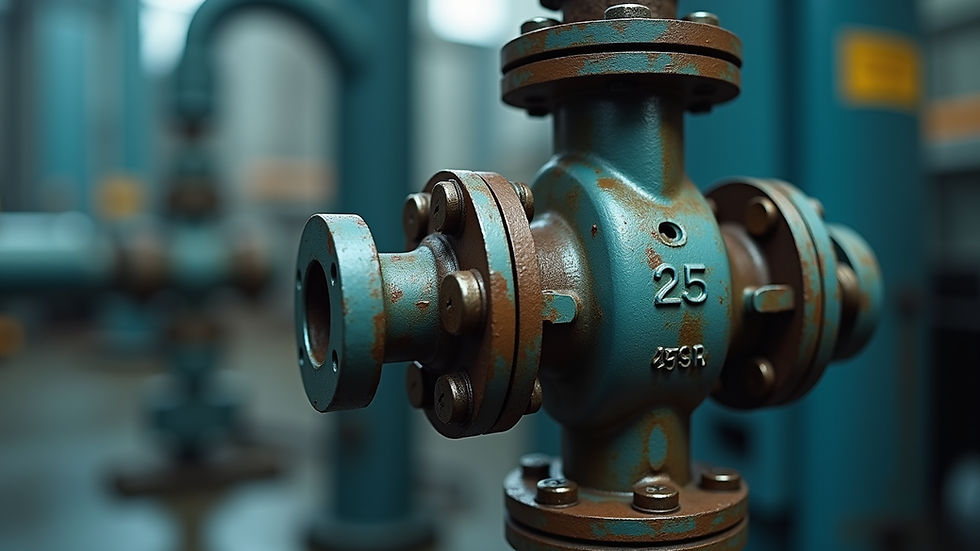
Innovative Industrial Valve Solutions
Modern challenges require advanced valve technologies and solutions. Innovations focus on improving reliability, efficiency, and ease of maintenance. Some notable solutions include:
Smart Valves with Sensors
Integration of sensors for real-time monitoring of pressure, temperature, and valve position. This enables predictive maintenance and reduces unexpected failures.
Advanced Materials
Use of corrosion-resistant alloys, composites, and coatings to extend valve life in harsh environments.
Modular Valve Designs
Valves designed for easy disassembly and part replacement, reducing downtime and maintenance costs.
Energy-Efficient Actuators
Electric and pneumatic actuators optimized for low power consumption and precise control.
Sealing Technology Improvements
Enhanced seal materials and designs to prevent leaks and withstand higher pressures and temperatures.
Automation and Control Integration
Valves compatible with modern control systems for seamless integration into plant automation.
These innovations contribute to safer, more efficient industrial operations. Implementing such solutions can significantly improve system performance.
Selecting the Right Valve for Your Application
Choosing the correct valve type and specifications is crucial. Consider the following factors:
Fluid Type and Properties
Chemical composition, temperature, pressure, and viscosity affect valve material and design choice.
Operating Conditions
Frequency of operation, flow rate, and pressure range determine valve size and actuator type.
Installation Environment
Space constraints, accessibility, and exposure to corrosive elements influence valve selection.
Maintenance Requirements
Valves with easy access and modular parts simplify servicing.
Compliance and Standards
Ensure valves meet industry standards and certifications relevant to your sector.
Common valve types include ball valves, gate valves, globe valves, butterfly valves, and diaphragm valves. Each has specific advantages depending on the application.
Maintenance Best Practices for Industrial Valves
Proper maintenance extends valve life and prevents costly failures. Follow these best practices:
Regular Inspection
Schedule periodic checks for leaks, corrosion, and mechanical wear.
Lubrication
Apply appropriate lubricants to moving parts to prevent sticking.
Cleaning
Remove debris and deposits that can impair valve function.
Seal Replacement
Replace seals and gaskets before they fail to avoid leaks.
Calibration and Testing
Verify actuator and control system performance regularly.
Documentation
Keep detailed maintenance records to track valve history and anticipate future needs.
Adhering to these practices ensures valves operate reliably and safely.

Final Thoughts on Industrial Valve Performance
Industrial valves are vital for controlling fluid flow in many sectors. Troubleshooting common issues promptly and adopting innovative technologies can improve system reliability and efficiency. Selecting the right valve and maintaining it properly are essential steps in achieving optimal performance.
For those seeking comprehensive industrial valve solutions, integrating modern designs and maintenance strategies is key. This approach supports long-term operational success and safety in demanding industrial environments.


Comments