


Types of Industrial Valves Explained

Valves are essential components in many industrial processes. They control the flow of liquids, gases, and slurries through pipelines and systems. Understanding the different types of valves helps in selecting the right one for specific applications. This post explains the main types of industrial valves, their functions, and where they are commonly used.
Common Types of Industrial Valves
Industrial valves come in various designs, each suited for particular tasks. Here are some of the most common types:
Gate Valve: Used for on/off control. It operates by lifting a gate out of the flow path. Suitable for fully open or fully closed positions. Not ideal for throttling.
Globe Valve: Designed for regulating flow. It has a movable disk and a stationary ring seat. Good for throttling and frequent operation.
Ball Valve: Uses a spherical ball with a hole through the center. It provides quick shutoff and is reliable for tight sealing.
Butterfly Valve: Features a rotating disk to control flow. It is lightweight and used for large pipe diameters.
Check Valve: Allows flow in one direction only. Prevents backflow in pipelines.
Plug Valve: Uses a cylindrical or conical plug to control flow. It is simple and durable.
Diaphragm Valve: Uses a flexible diaphragm to regulate flow. Ideal for corrosive or dirty fluids.
Needle Valve: Provides precise flow control. It has a small port and a threaded, needle-shaped plunger.
Each valve type has specific advantages and limitations. The choice depends on factors like pressure, temperature, fluid type, and required control precision.
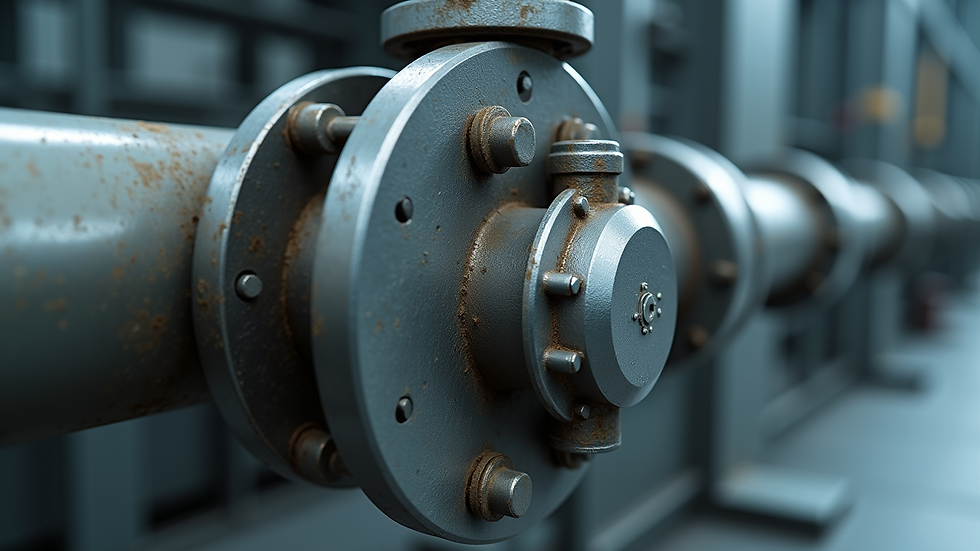
Types of Industrial Valves by Function and Design
Valves can also be categorized based on their function and design features:
On/Off Valves
These valves are designed to start or stop flow completely. Examples include gate valves and ball valves. They are not suitable for flow regulation.
Control Valves
Control valves regulate flow rate, pressure, or temperature. Globe valves and needle valves fall into this category. They allow precise adjustments.
Safety Valves
Safety valves protect systems from overpressure. They automatically release excess pressure to prevent damage.
Non-return Valves
Also called check valves, they prevent reverse flow. They operate automatically without manual intervention.
Specialty Valves
These include diaphragm valves and pinch valves, designed for specific applications like handling corrosive fluids or slurries.
Understanding these categories helps in selecting valves that meet operational requirements and safety standards.
What are the 4 types of valves?
There are four primary types of valves commonly referenced in industrial settings:
Gate Valve
Used for isolation.
Operates by lifting a gate.
Suitable for full open or full close.
Not recommended for throttling.
Globe Valve
Used for flow regulation.
Has a movable disk and stationary seat.
Provides good throttling control.
Common in systems requiring frequent adjustment.
Ball Valve
Provides quick on/off control.
Uses a hollow, perforated ball.
Offers tight sealing.
Suitable for high-pressure applications.
Butterfly Valve
Uses a rotating disk to control flow.
Lightweight and compact.
Ideal for large diameter pipes.
Can be used for throttling but less precise than globe valves.
These four types cover most industrial applications. Each has unique features that make it suitable for specific tasks.

Materials and Construction of Industrial Valves
Valve materials affect performance, durability, and compatibility with fluids. Common materials include:
Carbon Steel: Strong and cost-effective. Used in general applications.
Stainless Steel: Corrosion-resistant. Suitable for aggressive chemicals and high temperatures.
Brass and Bronze: Used in water and low-pressure applications.
PVC and Plastic: Lightweight and corrosion-resistant. Used in low-pressure and non-metallic systems.
Alloys (e.g., Monel, Hastelloy): Used in highly corrosive or extreme environments.
Valve construction also varies:
Body Type: One-piece, two-piece, or three-piece designs affect maintenance and installation.
Sealing Mechanism: Metal-to-metal, soft seals, or elastomeric seals impact leak tightness and service life.
Actuation: Manual, electric, pneumatic, or hydraulic actuators control valve operation.
Selecting the right material and construction ensures valve reliability and longevity in demanding industrial environments.
Installation and Maintenance Tips for Valves
Proper installation and maintenance extend valve life and ensure safe operation. Key recommendations include:
Installation
- Follow manufacturer guidelines.
- Ensure correct orientation (e.g., check valves must be installed in the flow direction).
- Use appropriate gaskets and fasteners.
- Avoid excessive torque on bolts.
Maintenance
- Regularly inspect for leaks, corrosion, and wear.
- Lubricate moving parts as needed.
- Replace seals and packing periodically.
- Test valve operation under working conditions.
- Keep records of maintenance activities.
Routine maintenance prevents unexpected failures and downtime. It also helps comply with safety regulations.
Final Thoughts on Valve Selection and Use
Choosing the right valve depends on many factors:
Fluid type and properties
Pressure and temperature conditions
Required flow control precision
Installation environment
Maintenance capabilities
Using the correct valve improves system efficiency and safety. For a wide range of industrial valves, consider suppliers that offer both quality products and expert advice. Proper valve selection and care are critical to successful industrial operations.


Comments